

Forensic Engineering · Madrid
The crack does not start where you see it.
We follow the path of damage through junctions, materials and layers to turn observations into a conclusion proportionate to the evidence.
Request a technical assessment01 · The symptom
The symptom is the visible end point.
A crack or damp patch may be the final manifestation of a longer path. We describe what is observed first, then study how it may relate to the construction system.
- 01
Entry
Roof or upper junction
- 02
Crossing
Path through facade and construction elements
- 03
Manifestation
Visible symptom inside
02 · From indication to cause
One defect can pass through several elements.
Each junction adds information. The route is checked before a cause is attributed.
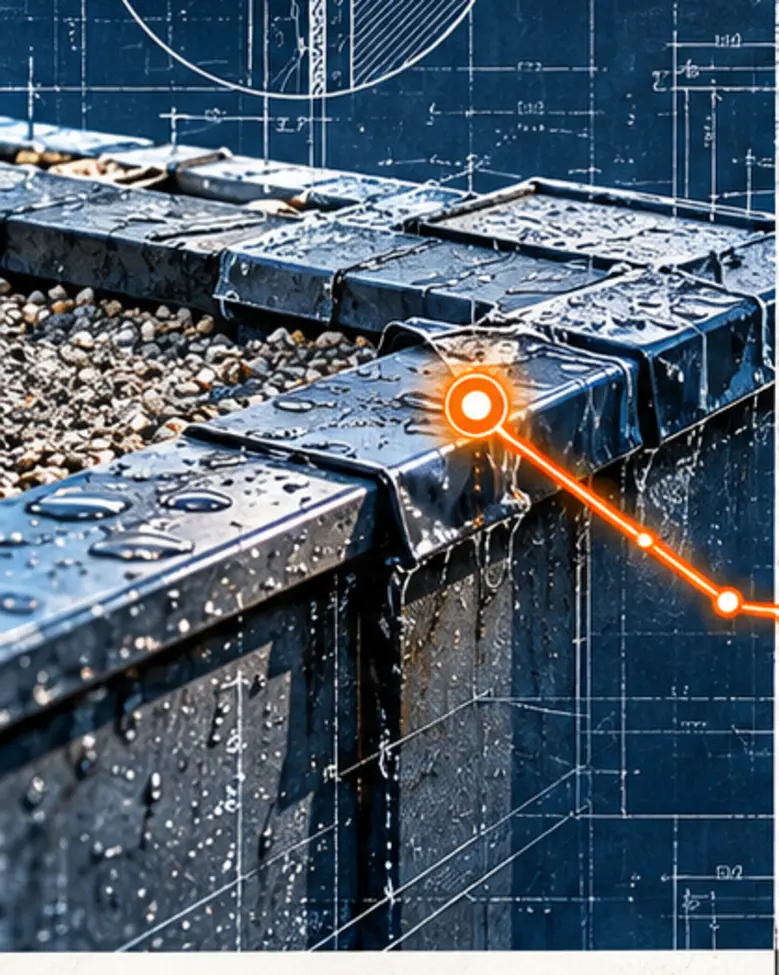
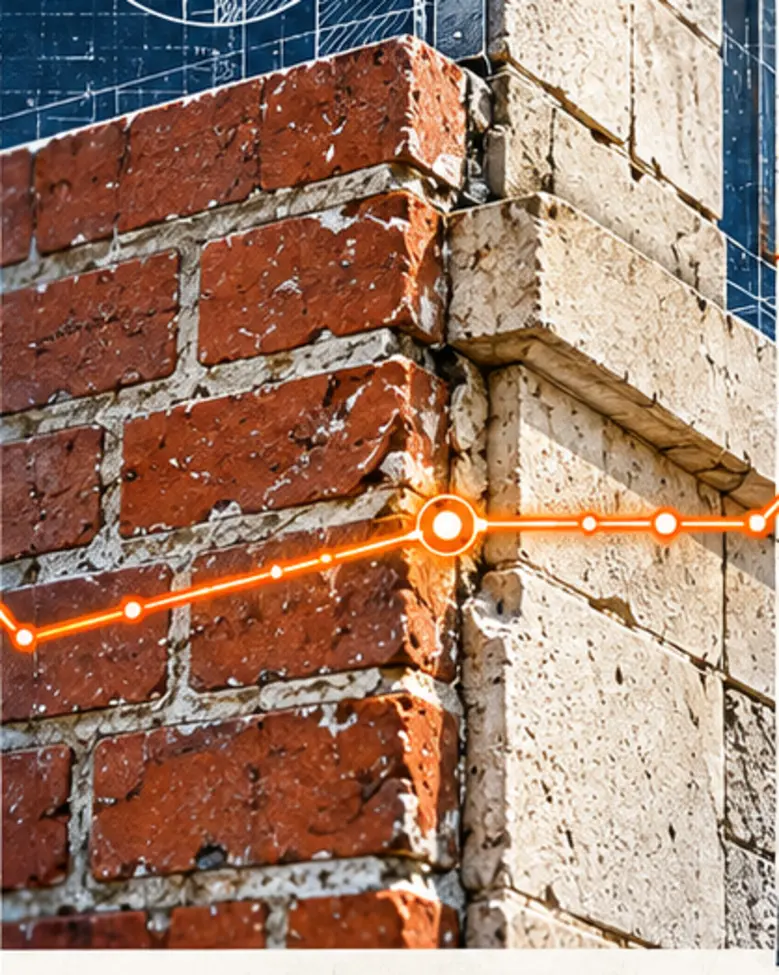
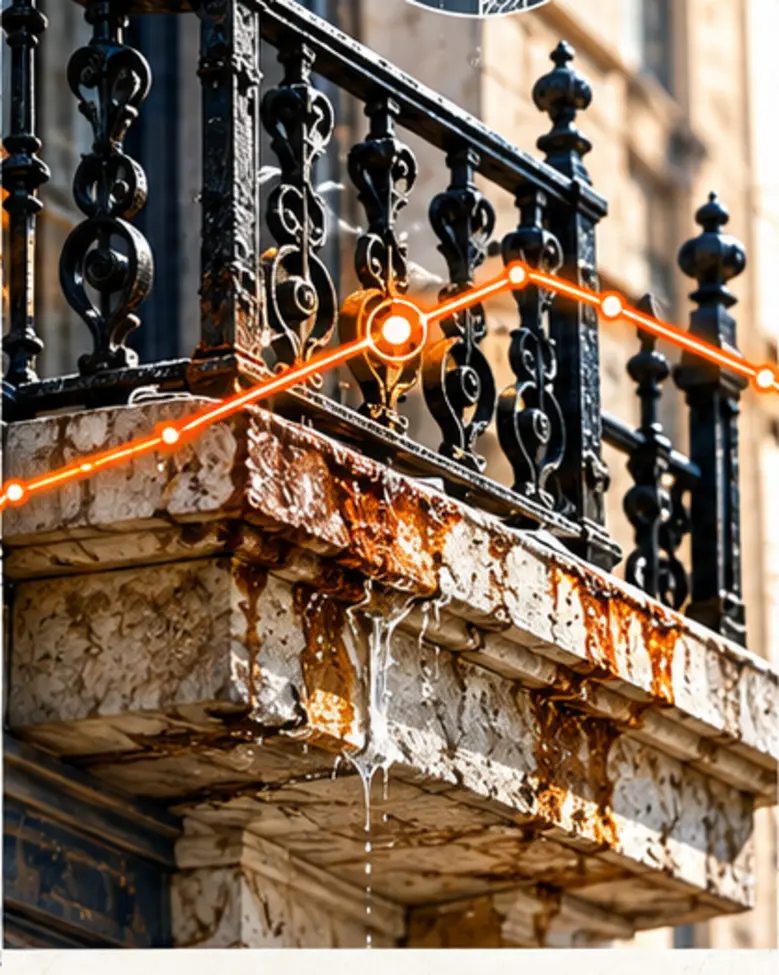
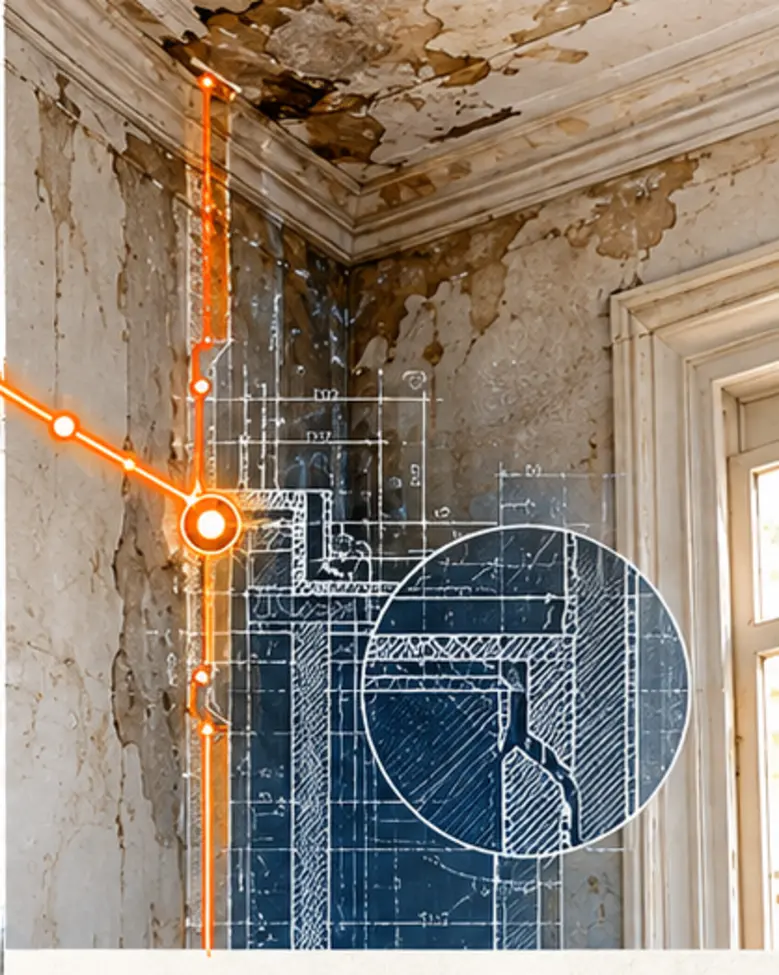
- 01
Roof
Membranes and junctions
- 02
Facade junction
Masonry, mortar and joints
- 03
Balcony edge
Water and corrosion
- 04
Interior
Damp and finishes
03 · Shape does not explain mechanism
Shape alone does not explain the mechanism.
The same visible damage can have different origins. We study construction, materials and connections to understand how the damage develops.

- Waterproofing
- Junction
- Path through layers
- Internal manifestation
04 · Check what can change the decision
Check only what can change the decision.
The inspection is designed around the question. The aim is not to measure everything, but to obtain the evidence needed for the instruction.

- 01
Observed
What can be seen and recorded during inspection.
- 02
Compatible
Relationships that are technically plausible.
- 03
Verified
Evidence sufficient to support a conclusion.
05 · Cause defines the instruction
Cause defines the instruction.
The origin and the pending decision shape the scope. We distinguish forensic investigation, expert assessment, regulated inspection, facade work and technical reporting.

A technical assessment starts with a conversation.
Tell us what is happening, where it appears and what information is available.